Why these two belong together
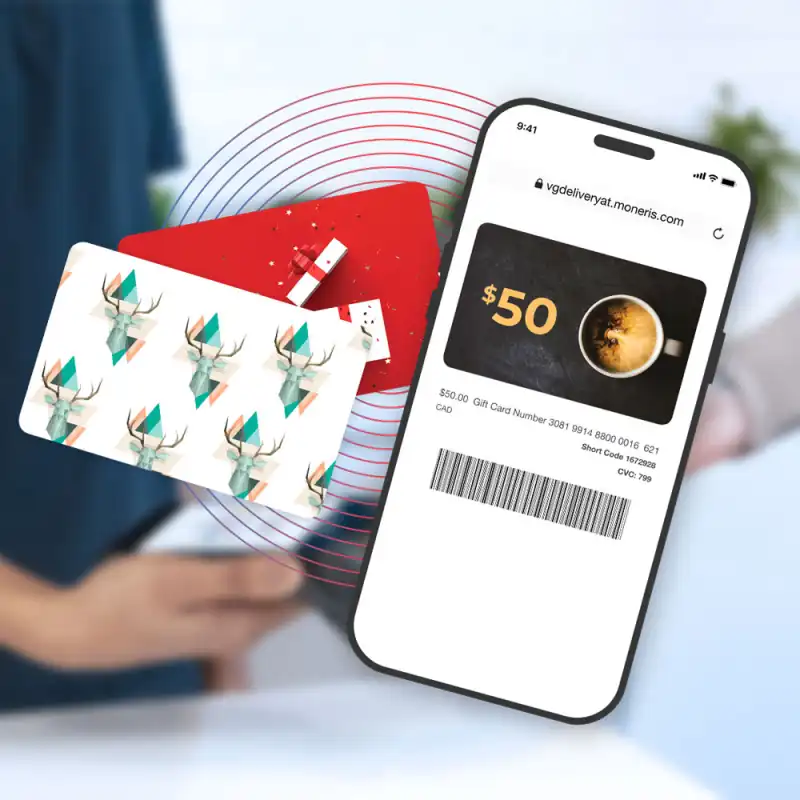
Gift cards bring cash and new customers. Loyalty programs turn those buyers into regulars who spend more. One brings someone in. The other gives them a reason to come back and to spend past the first visit. Run both in the POS and a card sold at the counter can become a named guest, and that guest can buy a card for someone else later. If the card balance and the points live in two portals, staff will sell the card and skip the reward, because the line will not wait. Canadian restaurant and retail owners keep gift cards and loyalty programs on one till so a card sold at the counter can become a named regular. See pricing for the monthly gap between cards alone and the pair.
Gift card fundamentals
Start with the money, then the format, then the season. Read gift cards 101 for the plain version of how a card sale pays for the program: cash when it is sold, a new visitor when it is redeemed, and a ticket that often runs past the balance. The breakage effect on cash flow is the other half, the value you hold before the goods leave and the portion that is never fully spent. Decide digital and physical cards before you print anything, because a rack and a midnight email are different sales. Either format should still redeem on the same till.
Launch and seasonal strategy
You do not need a long project to start selling cards. You can launch a program in one week: turn it on, pick amounts, enable a digital card before plastic arrives, train the closer, and put a display where the line can see it. Then use the 6-week holiday playbook when the gifting season is the demand you cannot miss. The first weeks of that plan are the rack and the website. The last days are the card that can be sent tonight. January is when recipients walk in and often spend past the balance.
Loyalty that drives behaviour
A points chart nobody can explain will not change what people do on the next visit. Build loyalty programs that drive repeat visits around one sentence, a reward that shows up soon enough to feel real, and a redemption that comes off this check. Then use loyalty data to know your best customers so the note goes to the regular who went quiet, not to the whole file. The gift + loyalty bundle is how a card recipient becomes that regular instead of a one-time redemption. Behaviour here is concrete: they come back, they spend again, and the reward is on the ticket they are paying now.
Protect it and tailor it
A card program that is easy to sell is also easy to abuse if blank cards already have value, or if anyone can guess a balance. Keep the offer safe with gift card fraud prevention: activate at purchase, keep numbers hard to guess, and treat a bulk stack differently from a single birthday card. A normal buyer should not feel those controls. Fit the reward using restaurant vs retail loyalty, the split between a free item after several quick visits and points on a larger, less frequent basket. Book a demo and sell a card, redeem a reward, and try a bulk amount on the same till.
The counter the Saturday before the holiday
A shopper asks for a gift card while the person behind them wants to use points on a regular purchase. The counter has to do both without a second line or a handwritten IOU. Gift cards take the cash now and introduce a new customer. Loyalty takes the reward off this ticket, not a future one. If the card lives in one portal and the points live in another, staff will sell the card and skip the redemption because the line is moving. A recipient who returns in January should be able to join the same program the regular is already using. See gift cards 101 for the money side and loyalty programs that drive repeat visits for the habit side. Pricing shows the monthly gap between cards alone and the pair.
A launch order that keeps the two programs linked
Turn gift cards on first, then loyalty, then the rule that connects a recipient to a profile. Reversing that order leaves you with points nobody can redeem and cards nobody offered at the till. Pick denominations. Decide digital, physical, or both. Train the closer, not only the manager, to sell a card and apply a reward. Put the rack where the line can see it, and add the online link where people already pay. One customer record should show a card balance and a loyalty balance. Read launch a program in one week for the sequence and gift and loyalty bundle ROI before you pay for two tools. Then book a demo and sell a card and redeem a reward on the same check. That ticket is the launch test.