Two halves of one flywheel
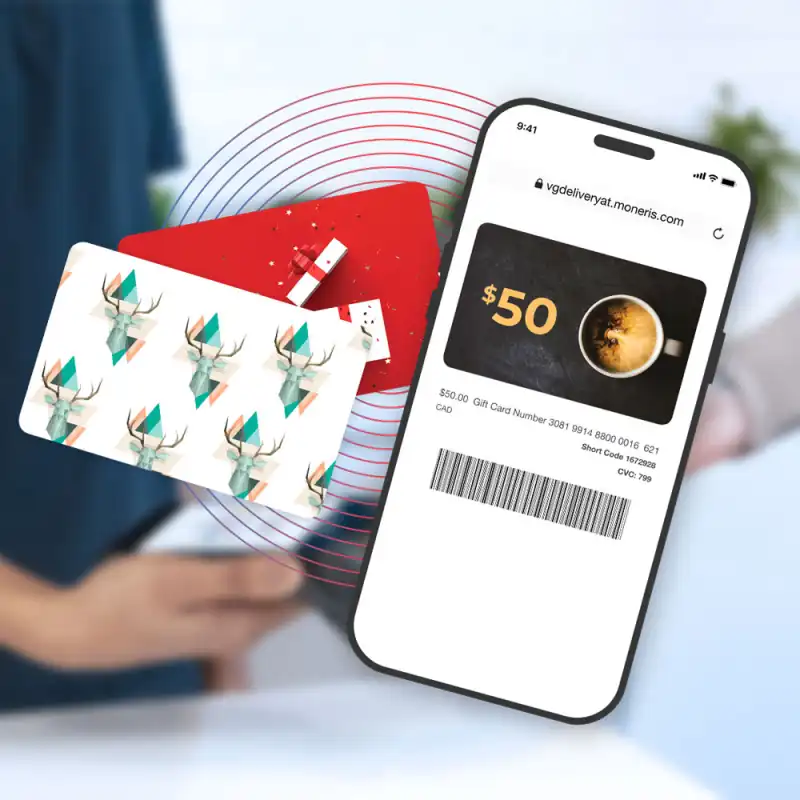
Gift cards bring new people in. Loyalty gives them a reason to return. Apart, each one helps. Together they feed each other: a recipient redeems, joins, becomes a regular, and later buys a card for someone else. That loop only shows up if both programs share the checkout. A closer will not open a second screen to join someone while a line waits, so a split setup sells the first card and loses the return. The flywheel is not a slogan. It is one guest, three events, one profile: the redemption, the join, and the next card. A Canadian retail owner only sees that loop with a gift and loyalty bundle that lets the recipient join on the check they redeem.
Shared data, shared cost
A bundle puts gift cards and loyalty on one platform, with one customer record and one program fee. You are not paying for two tools and then reconciling a card portal against a points portal at the end of the month. The card balance and the reward balance sit on the same person, so a redemption and a later visit are one story. Staff learn one checkout. Reports do not require a spreadsheet to answer who came back after a gift. The shared cost matters because a second subscription plus the time to match names is the expensive way to run a simple loop.
The ROI math
Add what gift cards contribute to what loyalty contributes, and set that against one monthly fee. Cards bring cash up front, a new visitor, and the portion that goes unredeemed. Loyalty brings the repeat visit and the higher spend from someone who already came. The card half shows up first, often as sales you can count the week you turn it on. The loyalty half shows up when those recipients return and the reward comes off a later check. For a shop or a dining room, the combined program is meant to pay back and then keep compounding as the same people buy cards for others.
Choosing a plan
Armour Payments offers gift cards from $35 a month and gift plus loyalty from $99 a month. The smaller plan is the card half: cash now, a new visitor, and breakage. The bundle keeps the recipient on file after they redeem, and it can take a reward off a later check. Compare the two on pricing, and read loyalty programs that work for what the retention half has to feel like at the till. Book a demo and sell a card and redeem a reward on one ticket before you pick. If that ticket needs two logins, the bundle is not what you are being shown.
$35 for cards alone versus $99 for the loop
Gift cards from $35 a month buy the acquisition half. Gift plus loyalty from $99 a month keeps the recipient in the file after they redeem. Cards alone still produce upfront cash, a new visitor, and breakage. They do not record the second visit or take a reward off the next check. The bundle puts one fee on both tools and one database under both balances, so you are not reconciling a card portal against a points portal. Add the cash and breakage from cards to the repeat visits from loyalty, and set that against the $99. Most shops feel card sales first and repeat visits after the first recipients return. See loyalty programs that work for what the retention half must feel like at the till, and compare the two fees on pricing.
The recipient who comes back and buys a card
A guest redeems a holiday card, joins at the till, and a month later buys a card for someone else. The first sale was acquisition you were paid for. The join is the loyalty record. The next card is the loop, and it only shows up if gift and loyalty share a profile. Split systems can sell the first card and still lose the join, because the closer will not open a second screen while a line waits. Shared checkout is the requirement: redeem the card, offer the program, and record the later purchase without retyping the name. Read loyalty data once a few of these loops exist, so you can see which recipients became regulars. Book a demo and walk that sequence across one check and one later visit. A demo that splits them is still two tools.