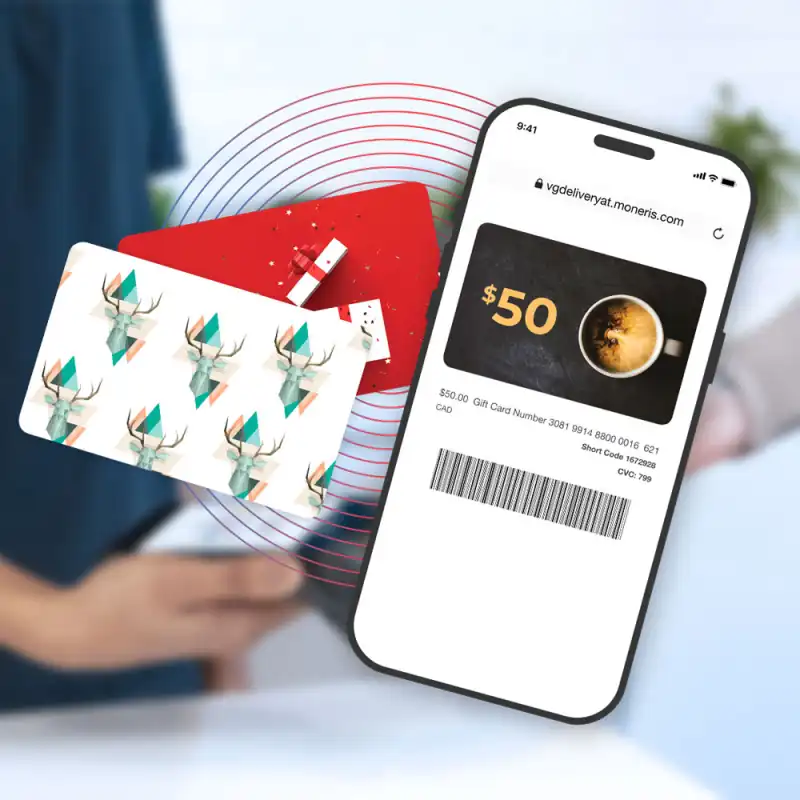
Cash before delivery
When you sell a gift card, you take the money now and deliver the product or the meal later, sometimes much later. A December sale can still be unredeemed in January. That gap is working capital. You can restock, cover payroll, or get through a slow week with cash you already hold, before you owe the goods. It is not a loan and it is not a fee you charged the guest for waiting. It is prepayment for a visit that has not happened yet. Canadian restaurant owners hold that cash before the meal is served, and gift card breakage is the part of the balance a guest never spends.
What breakage is
Breakage is the portion of a gift card that never becomes a sale: a few dollars left on a card, or a card that sits in a drawer and is forgotten. It is not a fee you add, and it is not an expiry you invent to clear the books. It is what happens when the remainder is too small to bother redeeming, or the recipient never comes in. Over time that unused value stays with the business, as long as the card follows the rules on expiry and fees where you operate. Do not treat a leftover as a problem to erase.
The combined effect
Three effects land together, which is why a gift card is unusual among promotions. You collect cash before you deliver. A portion of the value is never redeemed. And people often buy more than the card holds, so the visit is larger than the prepaid amount. Most promotions give something away and hope for a later trip. This one improves cash on the day you launch it, then again when the recipient shows up. See gift cards 101 for how those pieces pay for a small monthly program. Keep the effects separate when you look at the books.
Stay compliant
Provincial rules govern expiry and fees on gift cards. A standard prepaid card in most provinces cannot simply expire because you want the leftover off the books. Configure the program to follow the local rule, and let natural breakage happen inside that rule. An aggressive expiry copied from somewhere else can break the law and annoy the recipient you just acquired. Armour Payments handles the setup so the card you sell is the card you are allowed to sell. See pricing for the cost of the tool, or book a demo and ask how expiry and fees are set for your province before you print a policy.
The December sale that is still cash in January
Cards sold in the holiday rush put money in the account before the goods leave the shelf. A giver buys on a December Saturday. The recipient may not walk in until January, and may still leave a few dollars on the card. You have had the use of that cash in the meantime. Breakage is the unspent piece. It is what happens when a card sits in a drawer or the remainder is too small to bother redeeming. You still owe a compliant program. Provincial rules on expiry and fees are real, and gift cards 101 is the plain version of the offer. Do not invent an expiry to force the leftover. Configure the card so natural breakage and holiday redemption can both happen. Pricing is the cost of the tool.
Chasing every leftover dollar with an expiry
Chasing every leftover dollar with an aggressive expiry can break provincial gift-card rules and annoy the recipient you just acquired. Most provinces do not let a standard prepaid card expire. Treat the unspent value as a normal outcome to account for, not a balance you have to erase. Upfront payment is already the cash-flow win on the day the card sells. Breakage is the portion that never becomes goods. When the recipient adds their own money and spends past the balance, that is a third effect, and it does not need a fee or an expiry date. Have the program configured to local rules instead of copying a policy from another country. See pricing for the cost. A legal card with a quiet leftover beats an expiry you have to unwind after a complaint.