Integrated PIN pads: speed at the lane
An integrated (or semi-integrated) PIN pad links directly to your POS or till. The cashier rings up items, the total appears on the pad, and the customer pays, no re-keying, no mismatched totals. For grocery, apparel and any multi-lane store, this is the fastest, most accurate setup. Devices like the Ingenico Lane series are built for it.
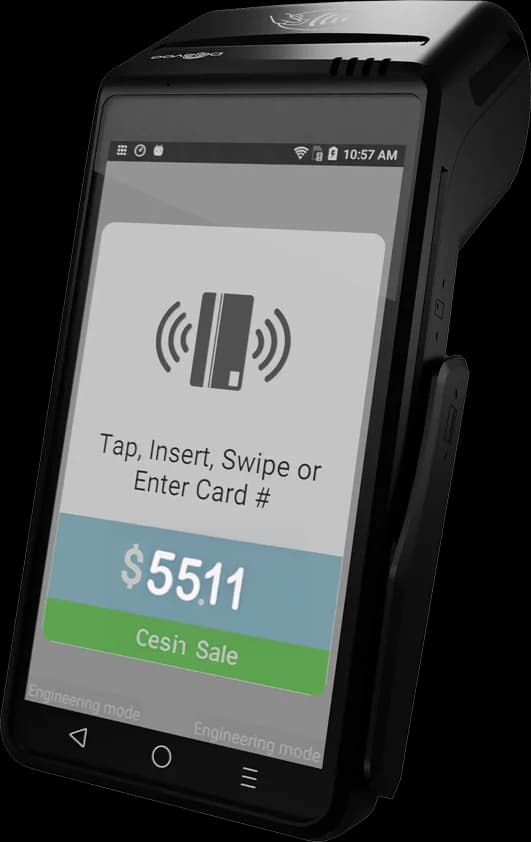
Smart terminals: all-in-one flexibility
A smart terminal is a standalone Android device that runs your apps, manages simple inventory and takes payment by itself. It's perfect when you don't run a separate POS, or for pop-ups and smaller footprints. It trades a little lane speed for portability and simplicity.
How to choose
- Run a POS with multiple lanes: choose an integrated PIN pad.
- No separate POS, or you want one mobile device: choose a smart terminal.
If you're building out a store, our retail POS pairs cleanly with integrated PIN pads for the fastest checkout.