Why fees matter more for charities
Canadian charity and nonprofit directors and fundraisers compare nonprofit payment processing fees on a real statement, because the fee comes straight off the gift. Unlike a business with margin built into the price, a charity feels every fee directly. The amount is money that does not reach the mission. A gala, a web appeal, and a year of small monthly gifts can all sit on one statement, and a small difference in rate compounds across that volume. Transparency matters because a single blended percent hides which gifts cost more. A debit tap and a rewards card are not the same cost. Read the statement by card type, and separate the network cost from the processor markup, before anyone decides the rate itself changed. The mission keeps what is left after those lines.
Let donors cover the fee
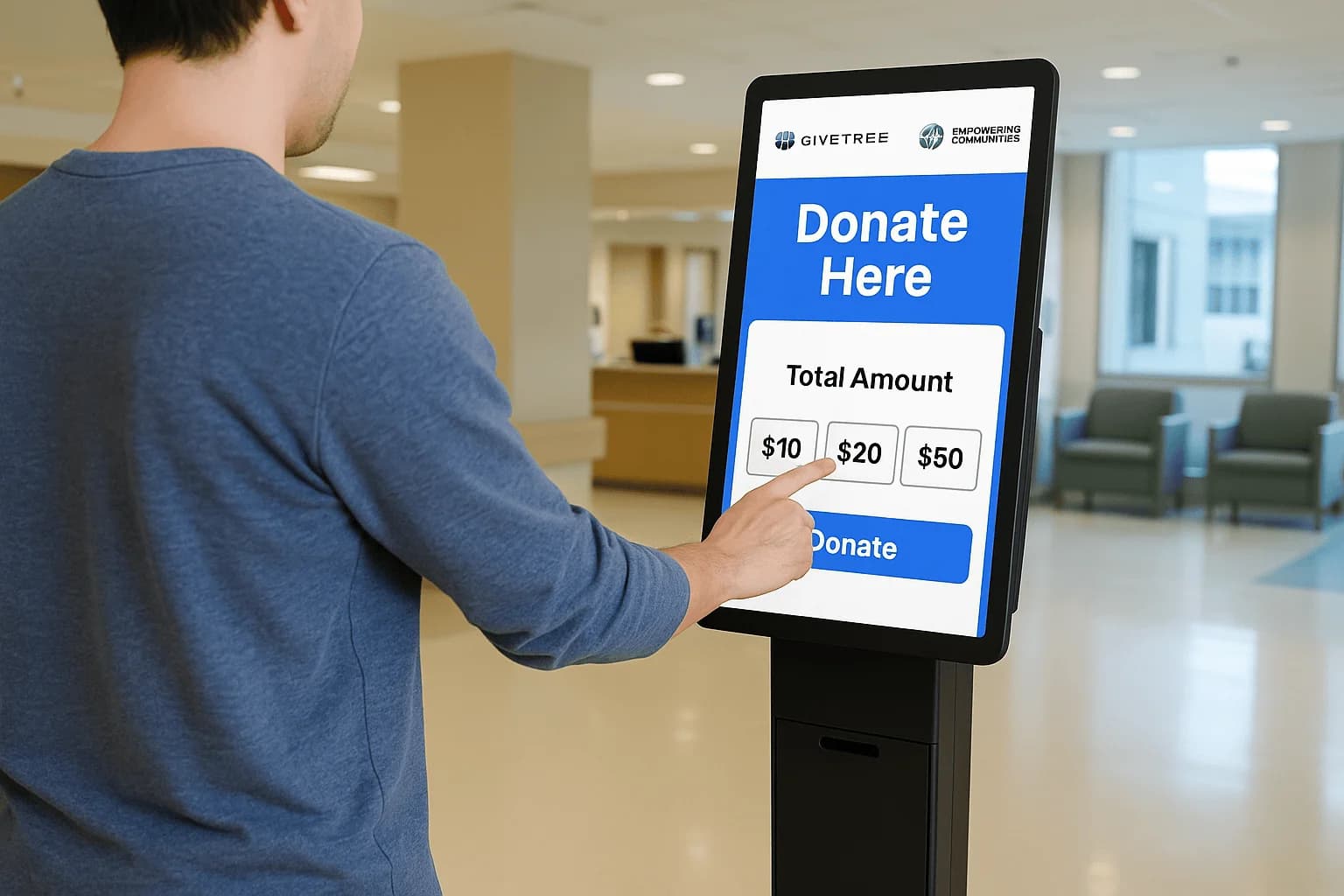
Many donors will add a small amount to cover processing when the choice is on the checkout screen. The prompt should be plain: an optional add-on so the intended gift stays intact for the cause. The add-on offsets the fee only on gifts where the donor says yes. A donor who skips it still completes the gift they meant to make. The checkbox only helps if the donation page and the kiosk actually show it. A note in a brochure does not change the amount that settles. Turn it on for the channels you use, and check a test gift to see the add-on on the receipt.
Choose transparent pricing
Avoid opaque tiered pricing and hidden fees. Prefer interchange-plus so the statement shows the network cost and the processor markup as separate lines you can read. A qualified rate in a quote is hard to trust when the cards you actually take miss that bucket. Bring a recent appeal statement, with card types visible, to any pricing conversation. GiveTree by Armour Payments keeps the pricing readable for nonprofits so the fee review does not depend on a rounded guess from memory. See donations and pricing.
The statement after the spring appeal
After the spring appeal the bookkeeper opens the processing statement and the fee total is larger than the month before. The appeal worked. The useful question is which gifts cost more to accept. Separate the network cost from the processor markup before anyone calls the rate high. A debit tap and a rewards card are not the same cost, which is why a single blended line is hard to trust.
Ask whether donors can add a small amount at checkout to cover the fee, and show that choice on the donation page. Read the statement next to what you already know about hidden fees. Then look at pricing with the volume from that appeal. Do not bring a rounded guess from memory.
One blended percent hides the mix of cards
Glancing at one blended percentage and treating it as the cost of every gift hides which cards actually ran. The gala kiosk may have taken a lot of tapped debit. The email appeal may have taken rewards cards online. Those are different costs on the same statement. Read the statement by card type before you change the ask on the next appeal.
A cover-the-fee checkbox only helps if checkout actually offers it. Bring the marked statement to contact sales and ask them to walk the lines with you. Do not invent a charity rate from a headline. Use the month you just lived through, and keep donations focused on the gift while this review stays on the fee.