The tablet-hell problem
Each delivery app on its own tablet means staff re-key orders into the POS, juggle separate menus, and risk mistakes during a rush. It is slow, error-prone, and painful to reconcile at close. On a Friday the expo already has dine-in tickets on the rail. Then one tablet chirps, another chirps, and a third is face-down because the battery died. Someone re-types the order, misses a modifier, and the bag goes out wrong. At close you have separate app summaries plus a POS export that never included the ticket nobody typed. A tablet under a receipt is how a modifier gets lost during the rush. Canadian restaurant operators integrate Uber Eats, DoorDash and Skip so those tickets hit the kitchen without a second typing.
How integration fixes it
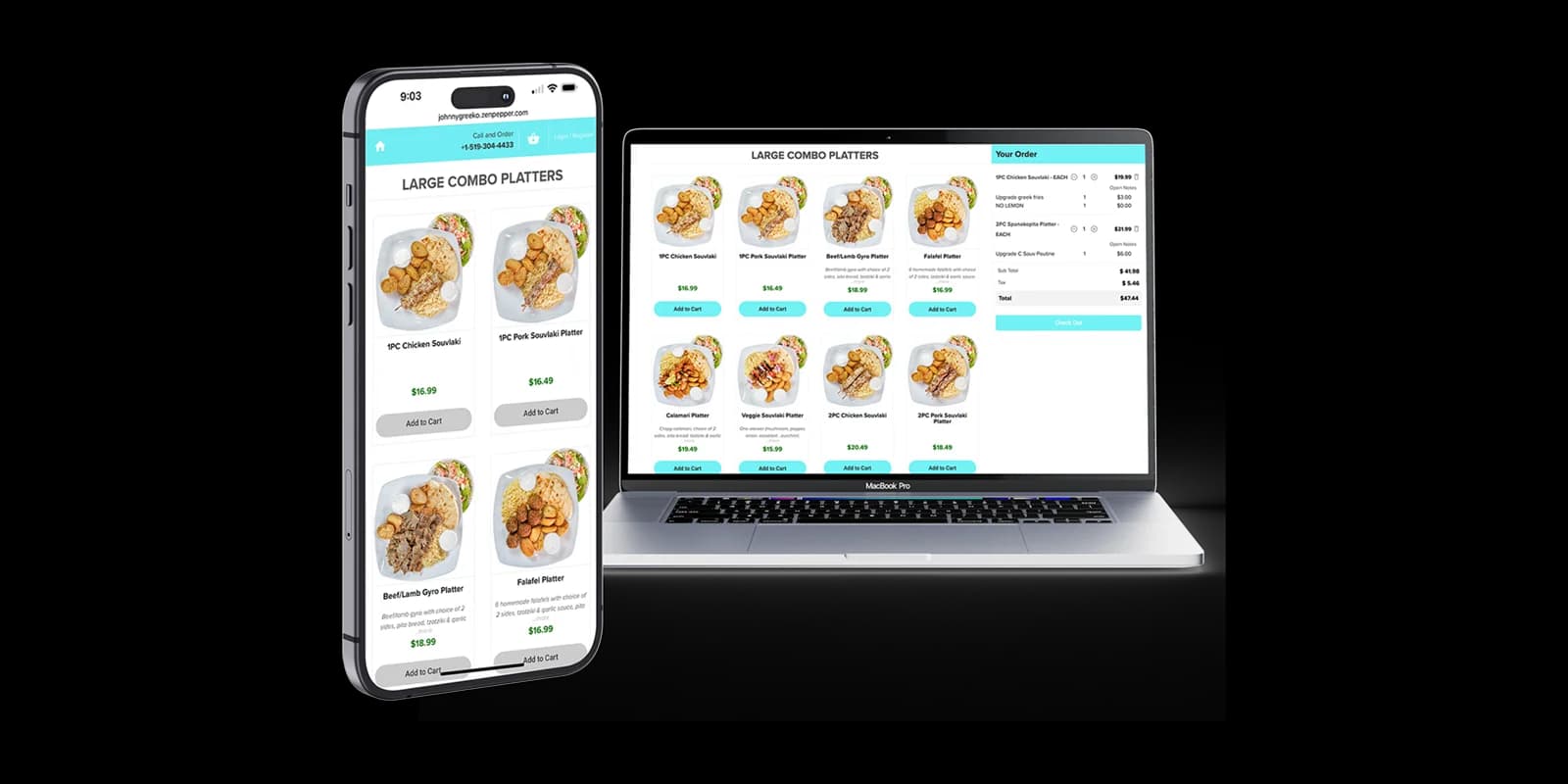
A POS integration pulls orders from every marketplace into one screen and into the kitchen workflow automatically. No re-keying, fewer errors, and a single source of truth for what the kitchen needs to make. The expo should read a delivery ticket the same way they read a dining-room ticket, on the same rail, with the modifiers already on it. A cancelled order has to leave that queue, or the kitchen cooks a bag nobody picks up. Keep a tablet only as a fallback until a test order from each app lands without anyone typing.
Sync menus and availability
Update a price or mark an item 86’d once, and it propagates to every channel. That prevents selling out-of-stock items and keeps your menus consistent across apps and your direct ordering. The failure is a special you killed on the line that the apps keep selling. You remake it or you refund a guest you cannot see. On a quiet afternoon, 86 one item and confirm each app stops offering it. Then change a price in the POS and confirm you are not cooking an order at yesterday’s marketplace price. Two menus that disagree are slower than the tablets you were trying to retire.
Unified reporting
With all channels in one system, you see true sales, costs, and commissions in one place. Caviar by Armour Payments centralizes delivery. See restaurant POS or book a demo. The close should show dine-in and delivery in the report you already use, not a stack of app emails you add up later. If a marketplace total only appears in a spreadsheet, you cannot tell whether a busy Friday was food you sold or commission you gave away. Find a test order from each app in that same close before you retire the tablets. A number you cannot trace to a kitchen ticket is not unified. It is another list.
Three delivery tablets on a Friday expo
The expo on a Friday already has dine-in tickets on the rail. Then the Uber Eats tablet chirps, the DoorDash tablet chirps, and Skip is face-down under a receipt because the battery died. Someone re-types the delivery order into the POS, misses a modifier, and the bag goes out wrong. The dine-in ticket that was next is now late. Integration pulls those marketplace orders onto the same kitchen workflow as the dining room, so the expo reads one screen. Menu changes and 86s are not a sprint across three tablets before the next ping. At close, sales and commissions sit together instead of a pile of app summaries plus a separate POS export. Keep direct ordering on that same rail so a first-party pickup is not typed by hand.
A quiet-afternoon test before you trust Friday
Connection is not finished because the integration toggle is on. Before you trust it on a Friday, run a quiet-afternoon list. Place a test order on each app you actually use, Uber Eats, DoorDash, and Skip, and confirm it lands on the kitchen screen without anyone typing it. 86 one item and confirm the apps stop selling it. Change a price in the POS and confirm you are not cooking an order that still shows yesterday’s marketplace price. Check that a cancelled order leaves the kitchen queue. Then open the day report and find delivery sales in the same restaurant POS close you already use for dine-in. If any test still needs a tablet fallback, you are not done. Book a demo and watch two apps hit one expo view.