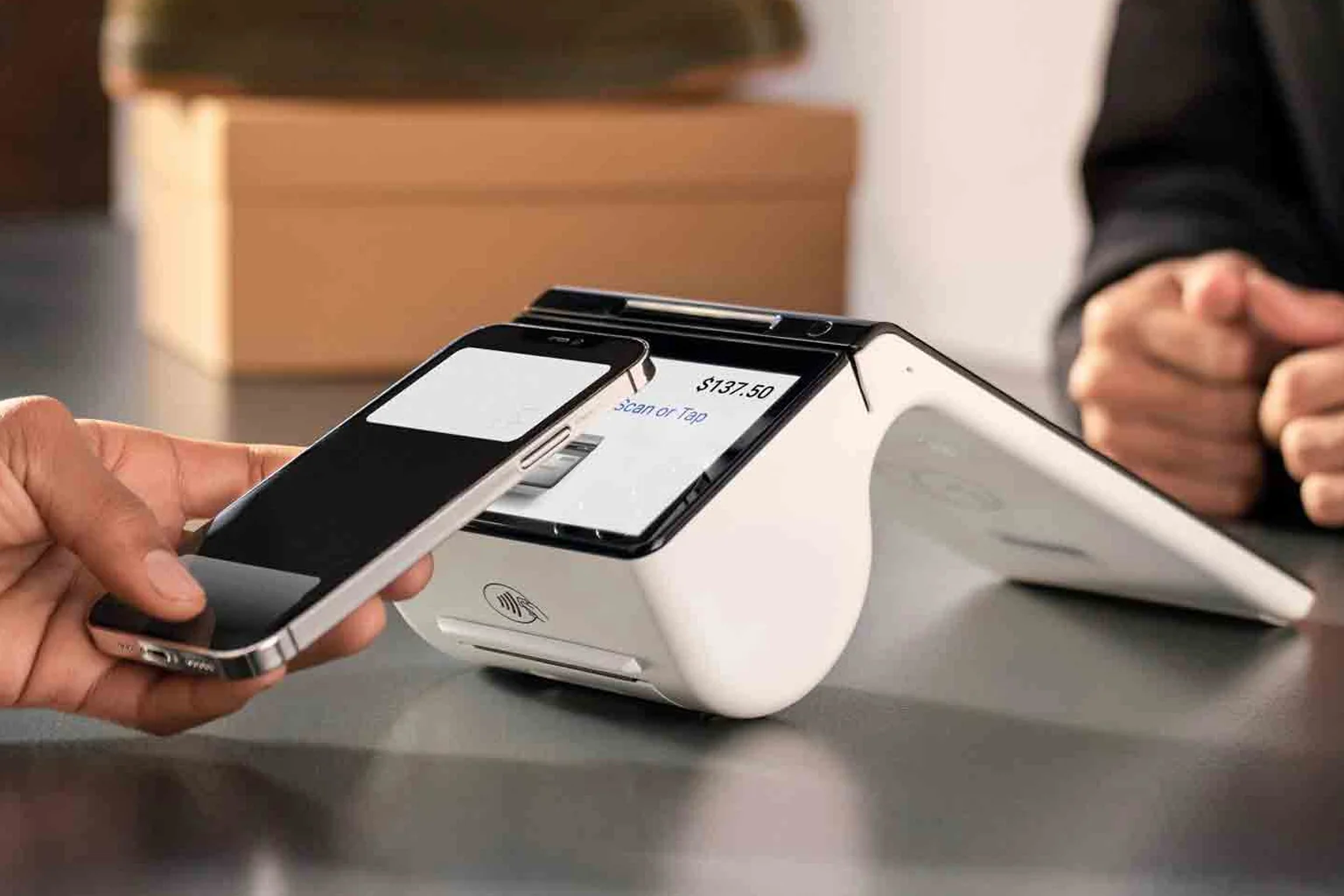
Buying: lowest lifetime cost
Buying a terminal outright costs more on day one and nothing after that except processing. If the same reader stays at one till for three or four years, ownership is usually the cheapest hardware path. The purchase ends the device bill. You still replace a cracked screen or a dead battery yourself, and you swap the unit if tap or chip support falls behind. Quality terminals stay current for years. Before you pay, write down how long this exact reader will stay in service. A single short season fits a rental, because you can send the device back when the stall closes.
Renting: low risk, included support
Renting keeps upfront cost near zero and usually bundles support, warranty and replacements. If a device fails, you get a new one. It's the simplest option for most small businesses and makes upgrading painless.
Armour Payments rentals are month-friendly with no long lock-in. See our pricing.
Leasing: the expensive trap
Long equipment leases, often 36 to 48 months and non-cancellable, can total several times the price of simply buying the device. They are sold on a low monthly number that hides the full term. Read the term length, any buyout, and the cancellation clause before you sign. Count every month, including months when a seasonal stall is closed. If the agreement still bills after you stop taking cards, leave it unless the exit is written in plain language. Set the full term beside the purchase price before you judge the monthly line on its own.
The break-even rule of thumb
If monthly rent times your expected months of use is less than the purchase price, rent. If it's more, and you'll keep the device, buy. Either way, never sign a multi-year lease without doing this arithmetic.
Unsure which fits? Talk to sales and we'll run the numbers with you.
A seasonal stall that should not lease
A maker who only sells from May through October packs the reader away all winter. A 36 to 48 month non-cancellable lease keeps billing in the months when the stall is dark and the device is in a closet. Renting for the months you actually take cards, or buying outright if the same reader comes back every spring, matches that calendar. The trap is signing the lease because the monthly number looks smaller than a purchase on day one. Write the months you will take cards, multiply by the rent, and set that next to the buy price. If the stall might change cities or stop, rent and send the device back. See our pricing for month-friendly rentals, and talk to sales before anyone prints a long lease.
How a three-year hold changes the bill
Keep one countertop reader at the same till for three or four years and the hardware math changes. Buying usually wins on that hold because the hardware cost stops, and you are left with processing only. Rent still fits when you want a replacement if the device fails and you want to swap models without a sunk unit. Run both paths on paper for the same number of months. A lease that looks like rent and cannot be cancelled finishes higher than either path. Keep processing rates out of this comparison. You owe those either way. The question on this page is the device. After the arithmetic, read what a terminal really costs so the processing line stays in its own column. Buy for a long hold at one till. Rent when support and an easy exit matter more.